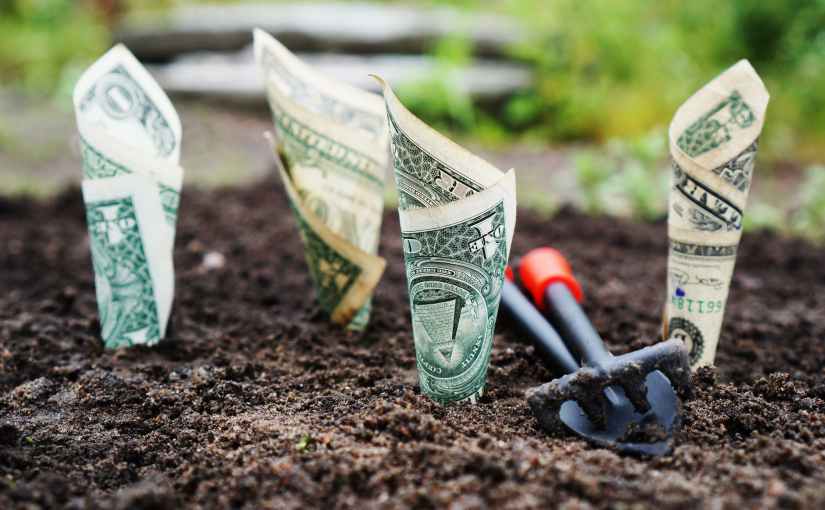
Saving vs. “Living Life”

“Don’t save what is left after spending; spend what is left after saving.”

Warren Buffet

With social media at our fingertips 24/7, it’s easy to get caught up in the lives others are living (or pretending to live). With that, there’s been a shift in the mindset of young adults from saving their money to spending it as soon as they can, or “living life”.


“Well what’s the point of working if I can’t spend the money I make?”


If you’re asking this question, you have the wrong idea of the purpose of saving. For me, there are two main reasons to save:

  1. To have a rainy day fund – you’re on your way to work and your tire pops; the washer in your house starts leaking; you’re playing your favorite sport and break a tooth or leg – things happen when we least expect it. The best way to combat these situations is to be prepared as best you can by saving your money ahead of time. Otherwise you’ll be left scrambling, stressed, and broke.
  2. To spend on things I truly want – you’ve been so busy “living life” – buying new clothes every week and eating out at fancy restaurants (that are out of your budget) everyday, that when it comes time for that big purchase of something you truly do want, you don’t have the money to get it. Think twice about the smaller purchases you’re frequently making because that money could be saved towards a larger and more desirable purchase in the future like a trip to a new place, an opportunity to see your favorite singer, etc.

The truth is, you don’t have to choose between saving your money and “living life”.


Instead, choose between being responsible and irresponsible with your finances. It is possible to be responsible with your finances, save your hard earned money, and also live life by spending it occasionally on the things you really want. It’s time to quick holding yourself back by thinking for the now instead of the future. It’s true, tomorrow isn’t promised; but just in case it comes, it’s better to plan for living it as well.


I’m always working to be a better version of myself and hope my tips can help you on your journey. I’d love to hear back from you – comment below!
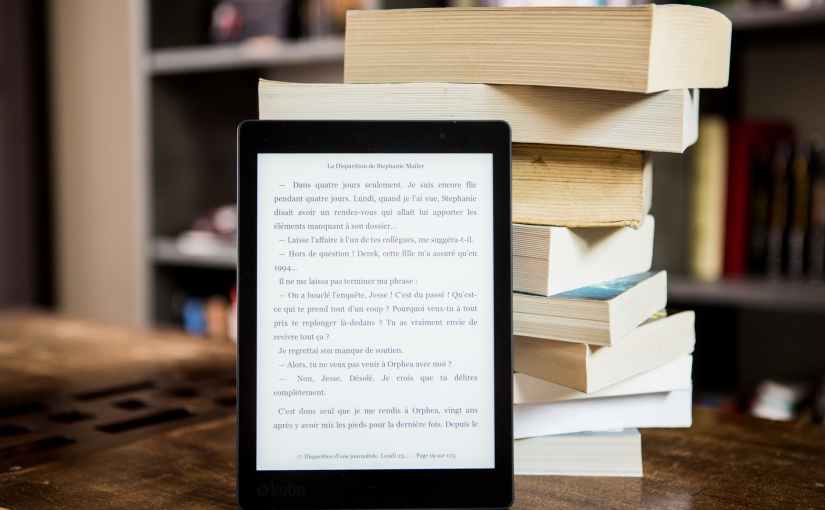


Reading is Power, or Did You Forget?

“Reading is a way to expand your mind, open your eyes, and fill up your heart.”

Oprah Winfrey

As kids, we’re taught to read for fun. As teens, we’re taught to read for answers. In college, we pay extra for notes – and barely read those. Along the way, we forget how important reading is for our minds and our progress in life.

Reading allows you to strengthen your mind’s ability to focus and interpret words. It allows you to see life and new experiences from a different perspective. Reading gives you information that can be used to spark conversation at home, with friends, and even in the workplace. It’s a power tool, and while young millennials spend an hour scrolling through posts that don’t teach them anything, the wealthy are reading for hours a day to grow their minds and their pockets.

Don’t believe me? Google how often Oprah Winfrey, Warren Buffett, or Barack Obama read! These are wealthy, successful individuals who constantly urge young adults to expand their mind in order to make a difference in our own lives and the lives of others.

Try this: challenge yourself to pick up any book, or listen to an audiobook, of your interest and give yourself a deadline to have read it by. Hold yourself accountable by telling a friend, writing it in your journal, making it your screensaver – you get it. I guarantee you’ll have not only learned something new, you’ll feel accomplished in achieving your goal.

Quit holding yourself back – It doesn’t work unless you try!

I’m always working to be a better version of myself and hope my tips can help you on your journey. I’d love to hear back from you – comment below!


Pessimism vs. Realism – Get Real with Yourself

“Pessimism is an excuse for not trying, and a guarantee to a personal failure.”

Bill Clinton

I’ll get straight to the point – your outlook on life is the deciding factor of your life’s trajectory. There’s a spectrum of outlooks, from overly optimistic to dangerously pessimistic. Pessimism, or the tendency to only see the worst in life, will fill your mind with negative thoughts that prohibit you from developing aspirations and maximizing on your potential. The problem is that most people who are pessimistic falsely interpret this outlook as being realistic – it is not.

Realism is defined as the attitude or practice of accepting a situation as it is and being prepared to deal with it accordingly. Whether you’re a realistic or unrealistic person is not the same thing as whether you’re optimistic or pessimistic because you can accept a situation for what it is and still have a negative outlook on what caused the situation and thus how to handle it “accordingly”.

Let’s say you arrive at work and your manager randomly asks to speak with you. As a pessimist, your initial thoughts might be that you’re in trouble because you assume they wouldn’t want to speak with you otherwise. By allowing these negative thoughts to fester, you’ve unconsciously gone into your meeting nervous, insecure, or even angry (which is probably a defense mechanism for your vulnerability). This perspective snowballs into negative thoughts, negative attitudes, and ultimately negative perceptions of who you actually are.

Quit holding yourself back. It’s possible to be a realistic person with an optimistic perspective on life so that you can motivate yourself to work towards your goals no matter the hurdles you face. And if this article doesn’t really apply to you, share it with a friend who could use the wake-up call!

I’m always working to be a better version of myself and hope my tips can help you on your journey. I’d love to hear back from you – comment below!


Practice Makes Perfect – What Are You Perfecting?

“We are what we repeatedly do. Excellence, then, is not an act, but a habit.”

Aristotle

Is social media the first thing you check when you open your eyes? Then it’s no surprise you find yourself on Instagram or Twitter throughout the day without consciously opening the app. Do you get home and immediately turn the TV on every day to “unwind”? Then it’s no surprise you’d have the remote buttons memorized while you scroll through shows for the rest of the night.

It’s important to recognize and understand two things:

1. It’s not enough to set a goal; you must identify what habits you want to form to achieve that goal

2. You get better at what you practice consistently

Let’s say your goal is to save an extra $100 by the end of the month for the next year. Great, you’ve set your goal. However, habitually, you spend $50 from each check going out to eat with friends. Well, if you’ve set your goal without identifying what habit you want to change or adopt, you’ll have saved $0 by the end of the month.

You master what you practice consistently. That means the first month you choose to say no to friends in order to save your money towards your goal is going to be hard. But if by the middle of the year you remain firm with the expectations you’ve set for yourself, saving your money and finding alternatives like inviting friends over for a movie night will become second nature; and as a result, you’ll achieve your goal and feel empowered to strive for more.

Quit holding yourself back by staying committed to habits you know are detrimental. Set your goal, set the habits you’ll adopt to achieve your goal, and hold yourself accountable for your actions in whichever way works best for you (some people tell their friends, others journal to declare the expectation). You master what you practice consistently – what are you perfecting?

I’m always working to be a better version of myself and hope my tips can help you on your journey. I’d love to hear back from you – comment below!